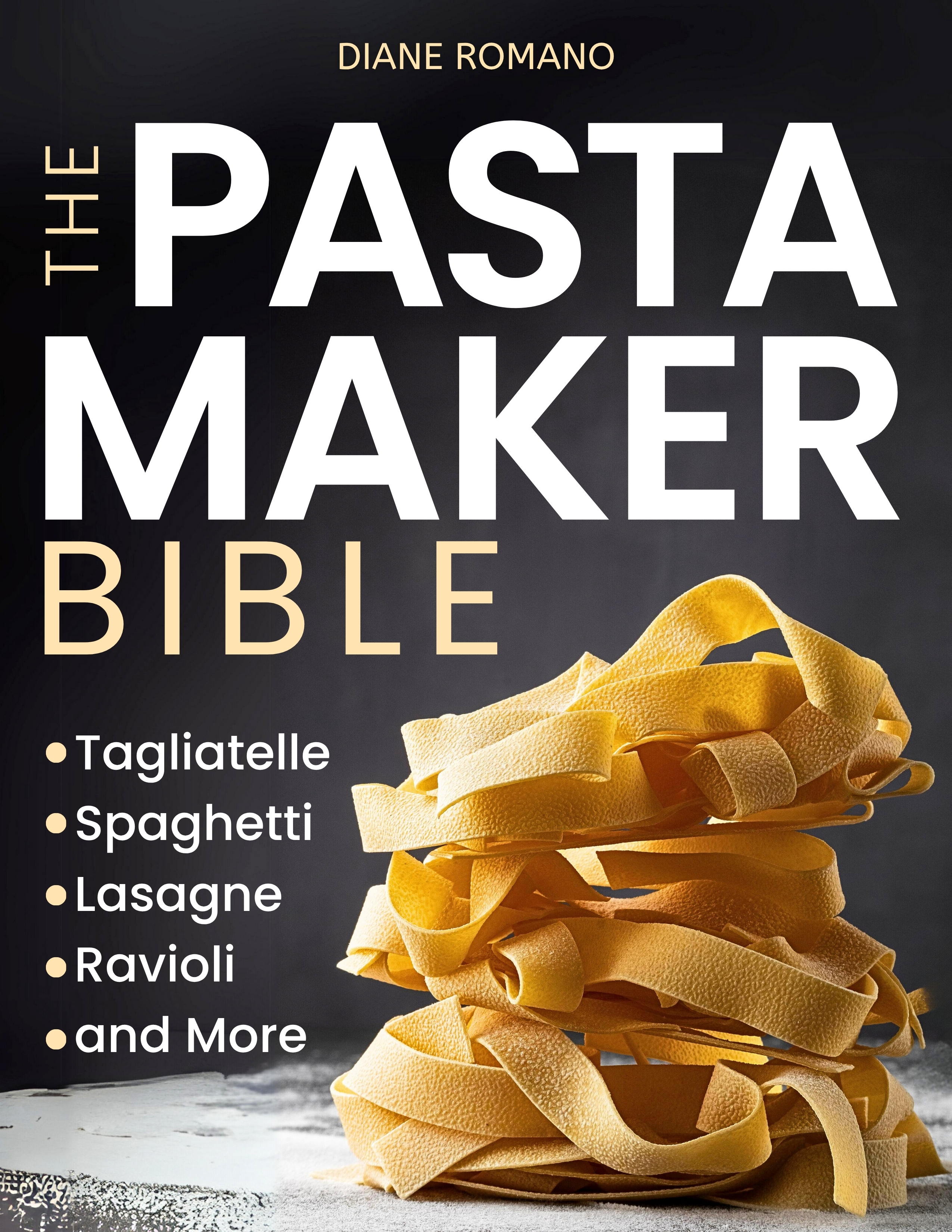
There is a moment that every home cook who makes fresh pasta for the first time remembers clearly: the moment the dough comes together under your hands, smooth and supple, and you realize that something extraordinary is about to happen. Dried pasta from a box is a convenience, a perfectly good one, but it is not this. Fresh pasta is silky where dried is firm, yielding where dried is dense, and alive with the flavor of eggs and flour in a way that nothing dried can replicate. The texture is incomparable — each strand or sheet carries a softness and a chew that clings to sauce rather than merely holding it. When you sit down to a bowl of freshly made tagliatelle dressed in a simple butter and sage sauce, you understand immediately why Italian grandmothers have been making pasta from scratch for centuries, and why you will want to do the same. The Pasta Maker Bible exists to give you everything you need to reach that moment, and to keep reaching it every week.
Every Machine, Every Dough, Every Shape
One of the most common frustrations with pasta books is that they assume you own a specific machine, or no machine at all. This book makes no such assumption. Whether your kitchen contains a Marcato Atlas 150, an Imperia manual roller, a KitchenAid stand mixer with a pasta roller attachment, an electric extruder, or simply a rolling pin and a wooden board, The Pasta Maker Bible covers your setup in dedicated, step-by-step detail. Each machine chapter walks through initial assembly, thickness settings, cleaning, and the small technique adjustments that make the difference between pasta that tears and pasta that glides through perfectly. The book was tested on every major machine type so that the guidance is specific, not generic.
Understanding pasta dough at a scientific level transforms your results. The book opens with a thorough treatment of the science behind the dough: why flour type matters more than most recipes admit, how protein content in “00” flour creates a silkier, more extensible dough than all-purpose, and why semolina produces the firm, slightly rough texture that sauces cling to so well. Hydration ratios are explained clearly — egg-based doughs behave very differently from water-based doughs, and the book breaks down why. Resting time is not a suggestion; it is a structural step that allows gluten to relax, making rolling dramatically easier. Once you understand these principles, you can adapt recipes, troubleshoot problems, and invent your own variations with confidence.
The five essential pasta doughs covered in the book form the backbone of everything that follows. The classic egg pasta dough, made from “00” flour and whole eggs, is the foundation — rich, golden, and versatile enough for ribbon pastas, sheets, and stuffed shapes. The semolina dough, traditional in southern Italy, uses durum wheat and water to produce a firmer, more textured pasta ideal for shapes like orecchiette and pici. The whole wheat dough adds a nutty, earthy depth that pairs beautifully with robust meat sauces. The spinach dough — bright green and subtly flavored — makes any plate visually striking. And the egg-free dough, made with semolina and warm water, opens the book to vegan cooks and those with egg allergies, producing excellent results that would surprise anyone who assumed egg-free pasta was a compromise. Each dough recipe includes precise measurements, a step-by-step mixing method, guidance for hand mixing and stand mixer preparation, and clear instructions on how to tell when the dough is ready.
Shapes, Sauces, and the Art of Pairing
One of the most overlooked topics in pasta cooking is the relationship between shape and sauce. This is not merely a matter of tradition or aesthetics — it is functional. The ridges on rigatoni trap thick meat sauces in every bite. The hollow interior of penne holds chunky vegetable sauces. Delicate, thin angel hair or spaghetti alla chitarra would be overwhelmed by a heavy ragu but shine under a light seafood sauce or a simple aglio e olio. Carbonara, that Roman masterpiece of eggs, guanciale, and pecorino, classically uses rigatoni or spaghetti — never a delicate fresh pasta that would absorb the sauce unevenly. The Pasta Maker Bible devotes an entire chapter to shape-sauce pairings, treating it as the serious culinary subject it is. The forty-plus shapes covered range from the everyday (tagliatelle, fettuccine, pappardelle, spaghetti) to the regional and decorative (garganelli, maltagliati, trofie, orecchiette) with full instructions for producing each and pairing notes that explain the reasoning, not just the rule.
Stuffed pasta — ravioli, tortellini, agnolotti, cappelletti — is treated with the depth it deserves. The fillings chapter covers classic ricotta and herb, ricotta and spinach, pumpkin and amaretto in the Mantuan tradition, braised meat for tortellini, and roasted vegetable combinations that work beautifully with brown butter. Sealing technique matters: the book shows you how to eliminate air pockets that cause ravioli to burst during cooking, how to crimp tortellini properly, and how thin your pasta sheet needs to be for each filling type. Cooking stuffed pasta requires attention — a few seconds too long and the filling turns grainy — and the book provides timing guidance for every shape and size.
Beyond machines and recipes, The Pasta Maker Bible is grounded in a respect for Italian pasta tradition. Pasta is not a category of food in Italy; it is a daily ritual, a cultural inheritance, a point of regional pride so fierce that the debates between Bologna and Rome over the correct preparation of a ragu have lasted generations. The book does not reduce this tradition to a checklist. It explains the philosophy behind why certain regions developed certain shapes, why pasta in Emilia-Romagna relies on egg and why pasta in Puglia uses only semolina and water, and how understanding these roots makes you a more thoughtful cook. What sets this book apart from others on the subject is the combination of technical precision, scientific explanation, cultural context, and practical machine-specific guidance — all in one place. Most pasta books give you recipes. This one gives you understanding.